
Hardware
Server Room Temperature and Humidity Monitoring
A system that continuously measures temperature and humidity in server rooms, raises alerts on threshold breaches and can be monitored remotely.
Hardware
A retrofit that makes existing analogue smoke detectors wireless and addressable, running on 420 detectors at Sivas Cumhuriyet Technopark.
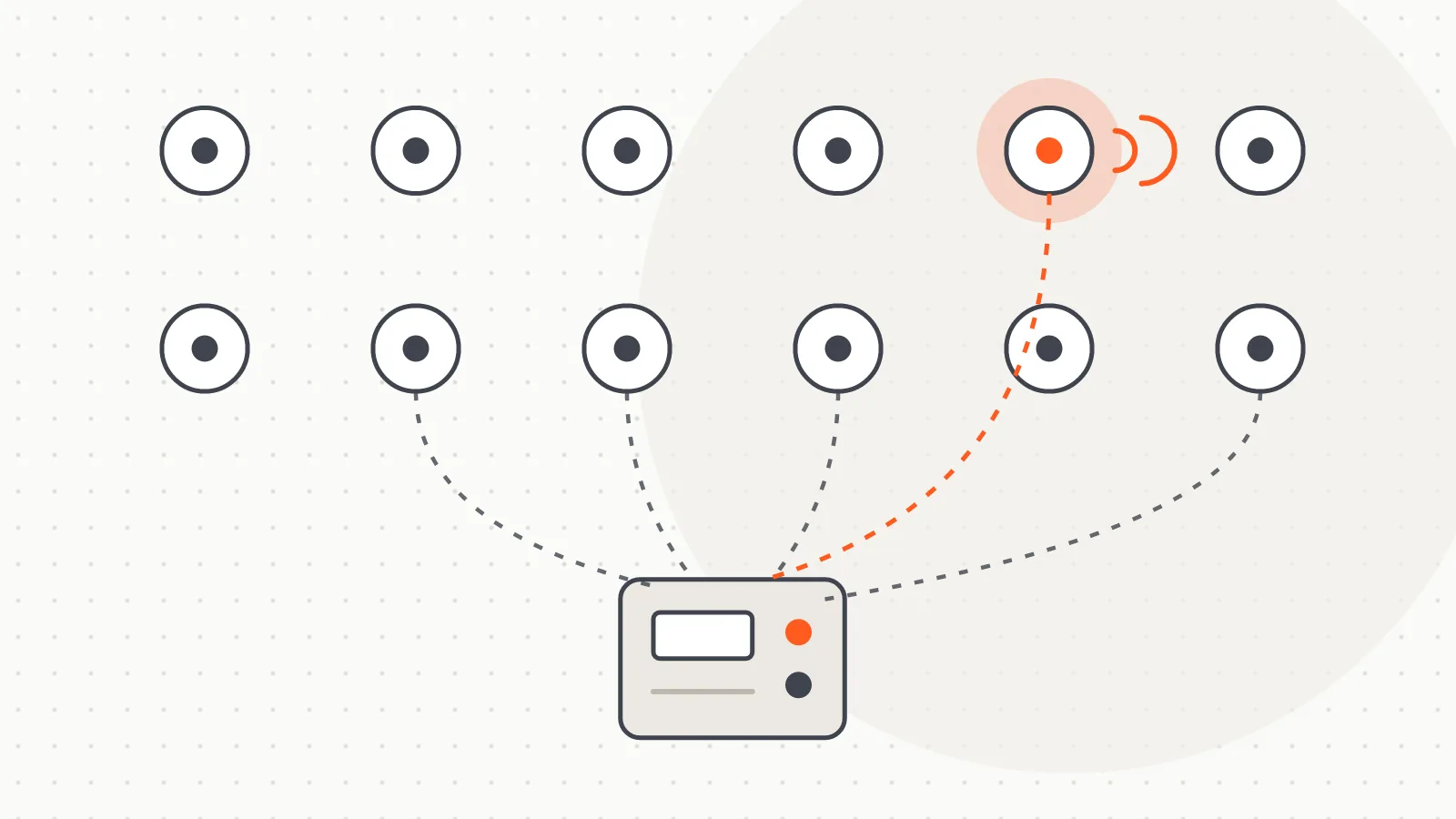
Our addressable RF fire detection system turns the analogue smoke detectors already installed in a building into a wireless network in which every detector is individually identified, without removing them. We carried out this conversion at Sivas Cumhuriyet Technopark in 2025 across 420 detectors, and the system is in service today in the Tekno 1 and Tekno 2 buildings.
When a conventional analogue fire detection system raises an alarm, staff often learn little more than "there is smoke somewhere". Finding the room means walking the floors. Our retrofit closes that gap:
Responders can head straight to the right spot instead of spending time searching for the source of the alarm.
The starting point is not selling a new fire system but upgrading the one that is already there. The general flow:
Because the detectors communicate wirelessly, there is no need to open walls and lay new signal lines in an occupied building. This makes the work much easier to carry out in office buildings that stay in use throughout the project.
At its core this is a hardware design job. Upgrading an old system without tearing it out means reading the existing device's electronics, understanding its limits and designing the add-on board around them. Our own team develops the circuit board design, the communication firmware and the monitoring interface.
Main components of the system:
| Component | Role |
|---|---|
| Detector-side RF electronics | Gives an analogue detector wireless communication and a unique address |
| RF network | Carries detector status and event data to the central point |
| Web monitoring interface | Shows detector status and events together with their location |
At the Technopark installation, 420 detectors communicate within the same RF network, and each one appears in the monitoring interface at its own location. The system is in active operation in the Technopark's Tekno 1 and Tekno 2 buildings.
Addressable RF conversion is intended for buildings where installing a new wired system would be difficult or disruptive:
Since every building has its own detector layout, the scope of each project is defined after a site survey. The system does not replace a building's legal fire safety obligations; it should be seen as a conversion that makes the existing installation traceable.
The server room temperature and humidity monitoring and boiler automation systems we installed on the same campus follow the same central monitoring approach. To request an assessment for your building, please get in touch through our contact page.
Hardware
A system that continuously measures temperature and humidity in server rooms, raises alerts on threshold breaches and can be monitored remotely.
Hardware
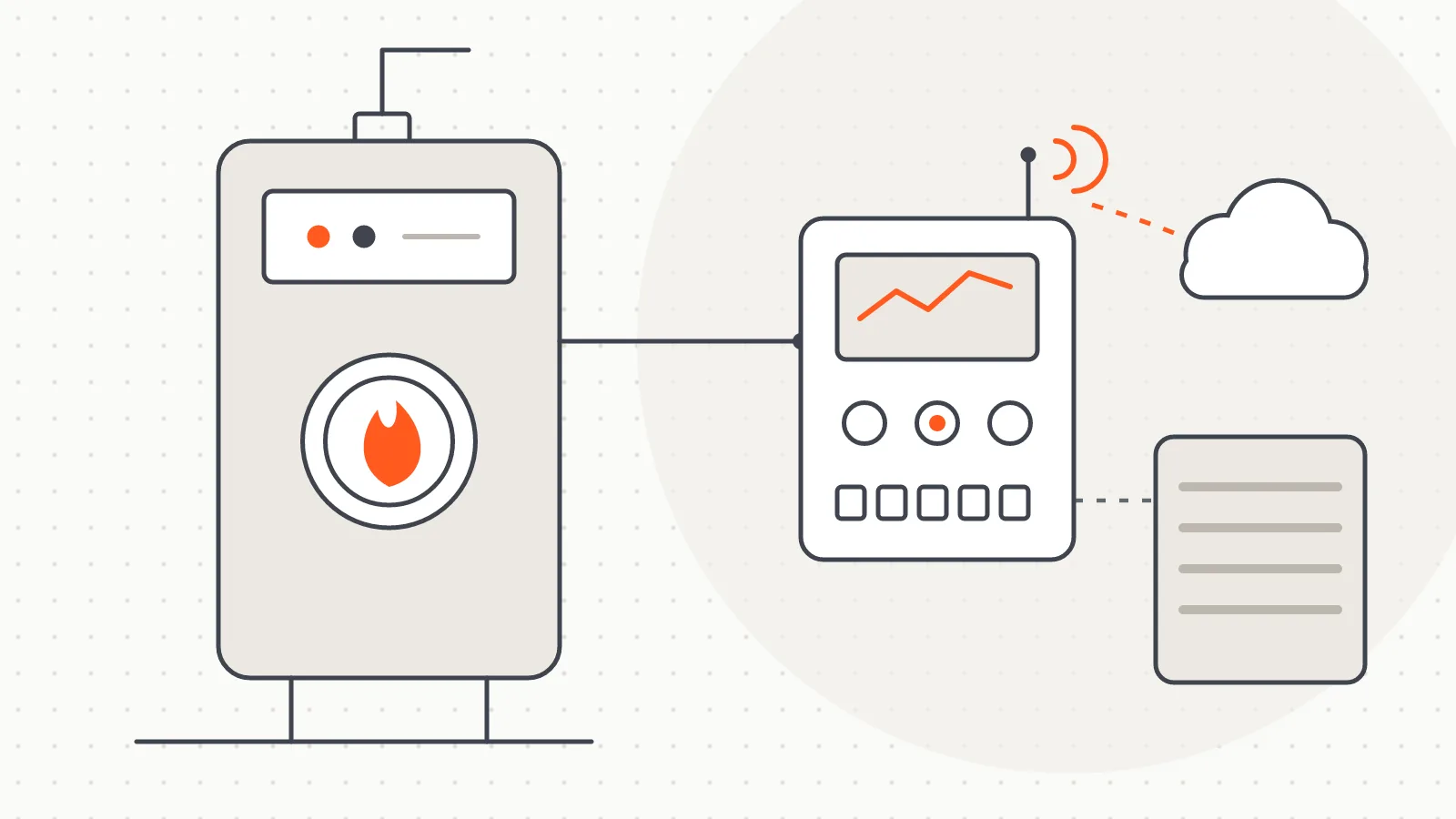
A device that monitors a central heating boiler remotely and controls it by heat demand, active in around 700 buildings.
Hardware
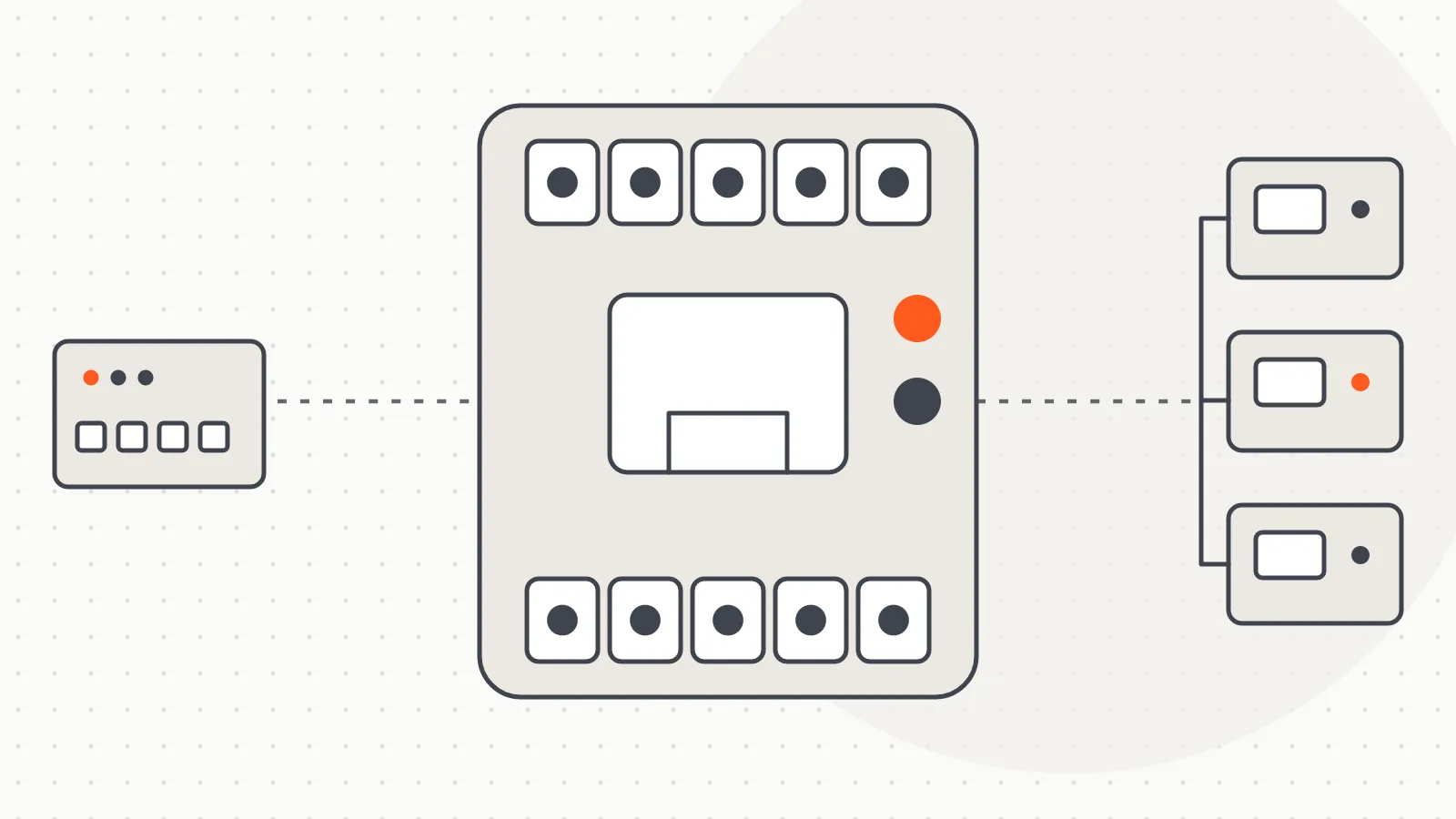
A board that provides I/O control over the network and talks to RS485 field devices, built for remote monitoring and control.
Do you have a board, device or meter reading project? Tell us briefly what you need and our engineering team will get back to you.