Software
EnerjiPay RF — Carrying Field Readings into Allocation
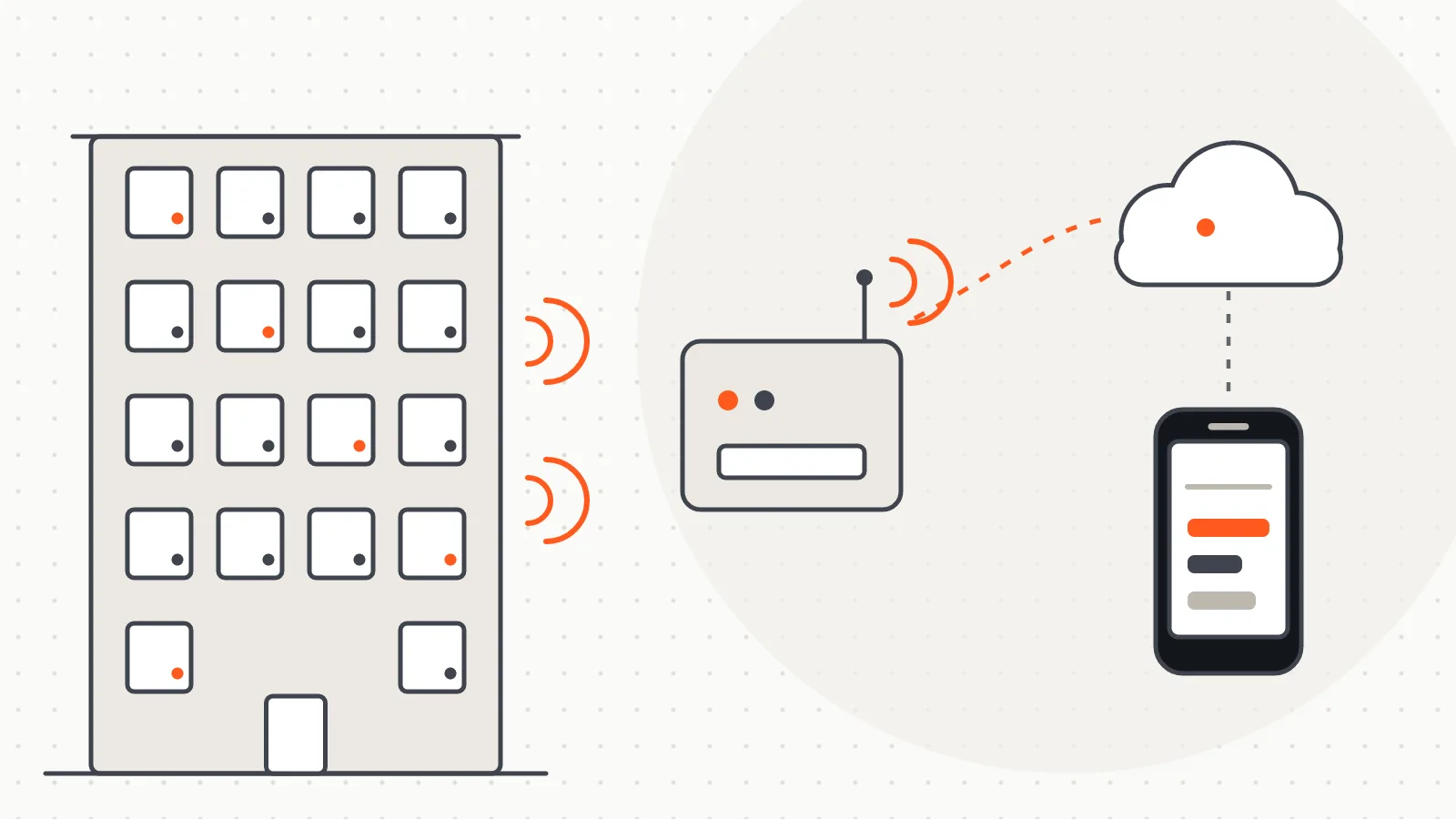
The field reading leg that writes a walk-by in-building reading round straight into the meter list of the EnerjiPay allocation software.
Hardware
A terminal that collects wireless meter data over RF inside the building and sends it to a central system over GSM, with no flat visits.
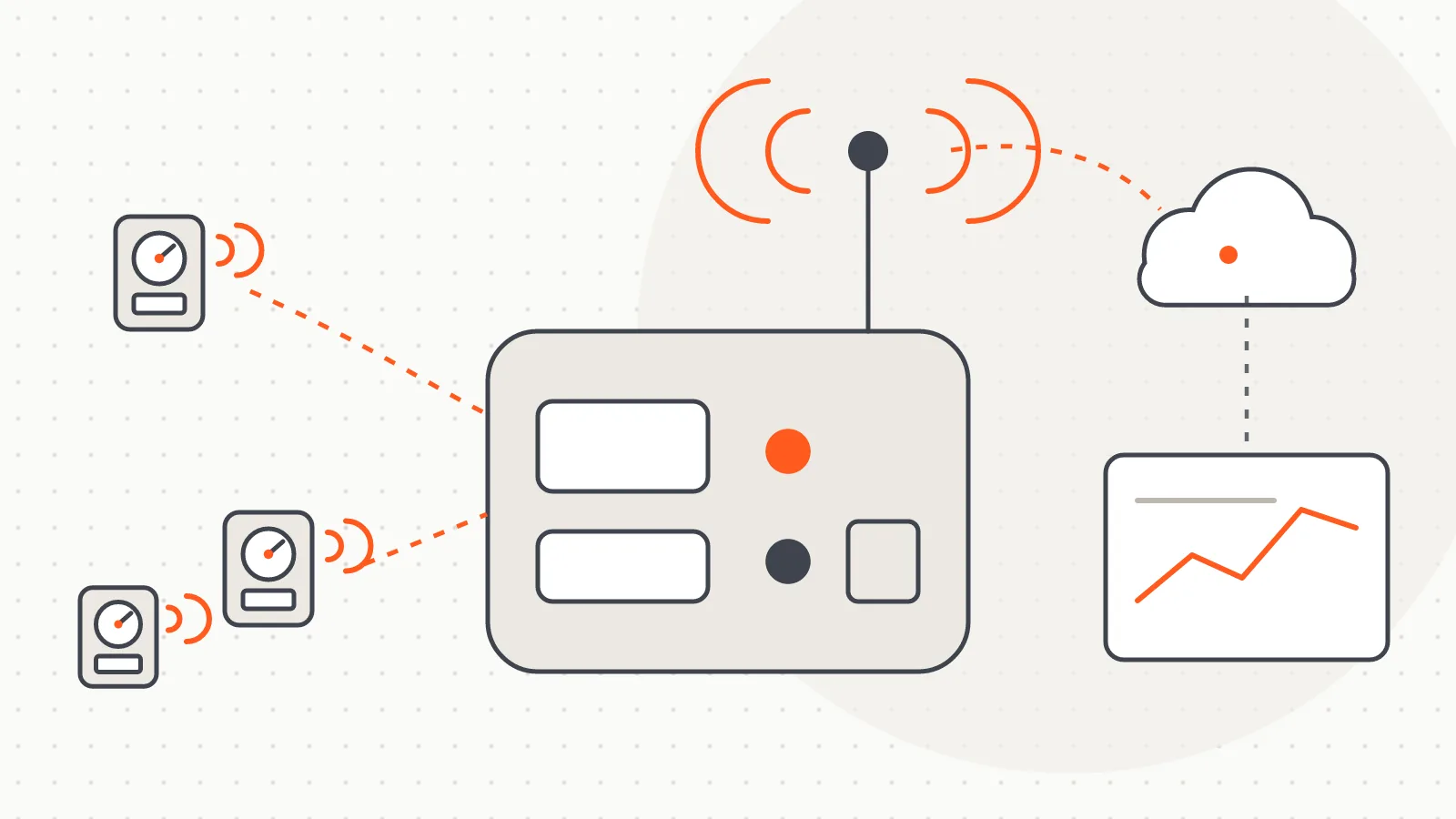
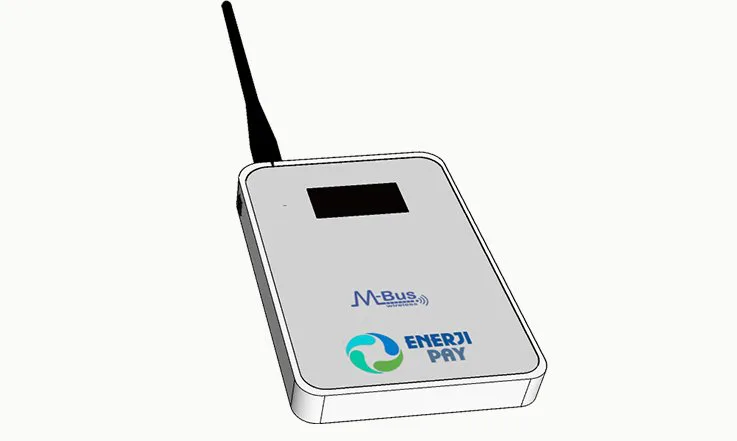
The RF + GSM collector terminal picks up the readings broadcast by wireless meters in a building over radio frequency (RF) and forwards them to the EnerjiPay platform over the mobile network (GSM). Nobody has to enter a flat, and no one has to walk from building to building: readings are gathered on site and received remotely.
At Nortek Aypa Otomasyon we design and manufacture the terminal ourselves and use it for remote meter reading. It reads meters that communicate over the same protocol (EN 13757-4), regardless of brand. The approach is especially useful in centrally heated buildings, where wireless meters such as heat meters, heat allocators and hot water meters form the basis for sharing heating expenses. The most familiar problem of door-to-door reading, finding nobody at home, simply disappears.
In general terms the flow has three steps:
The device only collects and carries the data. Storing readings, calculating the difference from the previous period, separating fixed and consumption-based shares and producing an expense sharing statement for each unit is the job of the software. For meters that encrypt their broadcasts, the meter's AES key is needed to decode a telegram; keys are defined on the software side together with the meter list.
The RF side of the terminal works to the wireless M-Bus standard (wM-Bus, EN 13757-4) and listens on the 868 MHz band. In wired M-Bus the meters are linked by a two-wire line; in a wireless setup there is no line between them, so a receiver is needed to collect the data. The terminal plays that receiver role.
The terminal comes in three connection models:
For the GSM model, the point to watch during installation is mobile signal. Boiler rooms are often in basements, where reception can be weak. The terminal's position is therefore chosen after measuring the signal on site before installation, and an external antenna is planned if needed.
We also apply our experience in decoding wireless telegrams to EnerjiPay-RF, a reading application we develop as a separate project.
The RF + GSM collector terminal is a strong option for:
The difference between reading methods in brief:
| Method | Meter type | How reading is done |
|---|---|---|
| RF handheld terminal | Wireless (wM-Bus) | A field worker collects readings walking through the building |
| GSM M-Bus master | Wired M-Bus | The line is read remotely |
| RF + GSM collector terminal | Wireless (wM-Bus) | Gathered in the building, received remotely |
For heating and hot water expense sharing we hold authorisation certificate no. 205 from the Turkish Ministry of Environment, Urbanisation and Climate Change, valid in all provinces. We also supply software and device infrastructure to many meter reading companies across Türkiye.
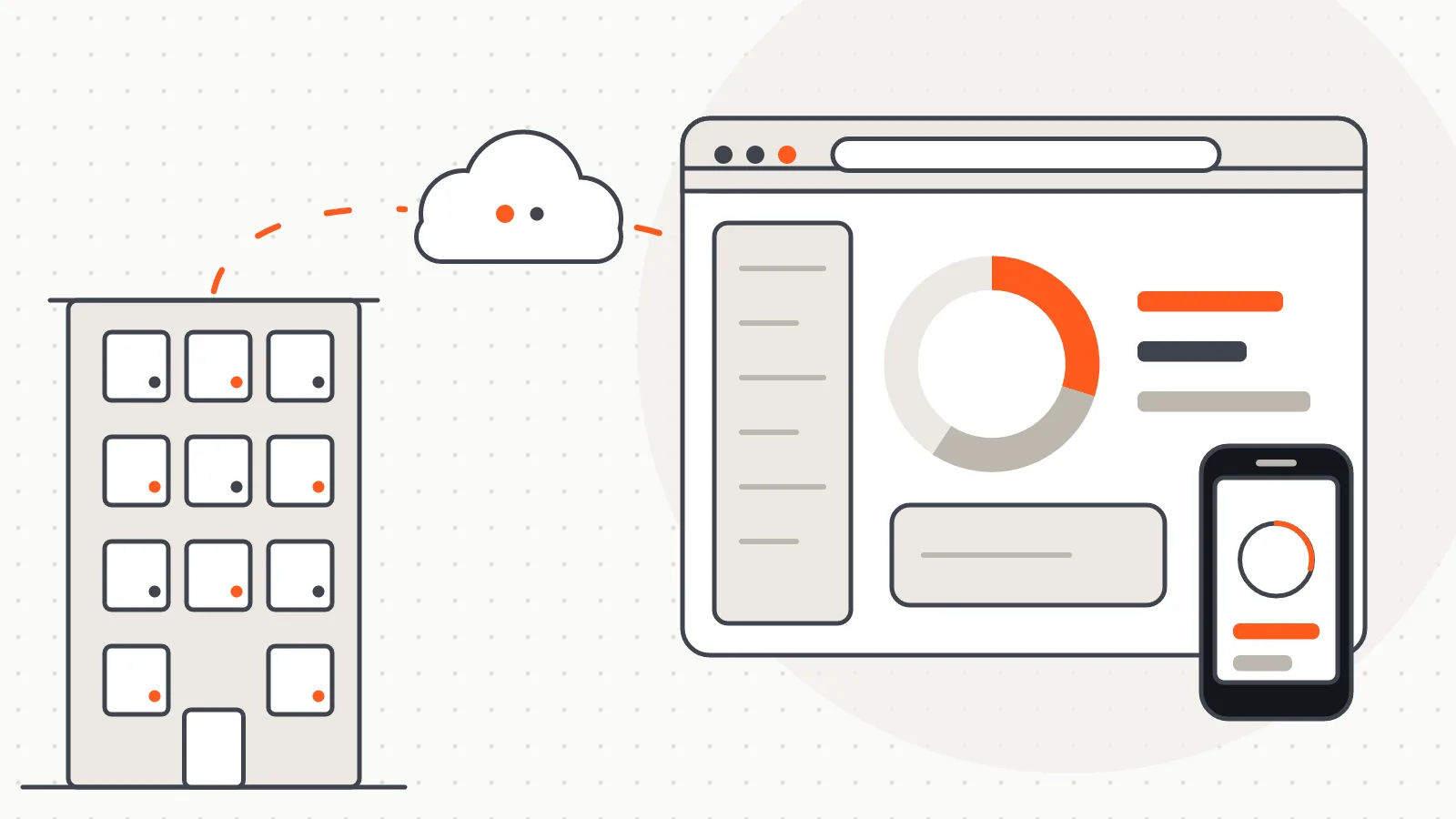
You can browse our devices at m-bus.com.tr, and use our EnerjiPay platform (https://enerjipay.com) for instant remote meter reading. On EnerjiPay, residents can see their daily consumption and their bills. To discuss your project, call us on 0505 059 88 58.
 Open full-size image
Software
The field reading leg that writes a walk-by in-building reading round straight into the meter list of the EnerjiPay allocation software.
Software
A platform that reads meters remotely on demand, runs billing on the web and shows residents their daily consumption.
Do you have a board, device or meter reading project? Tell us briefly what you need and our engineering team will get back to you.