Software
Embedded Software Development
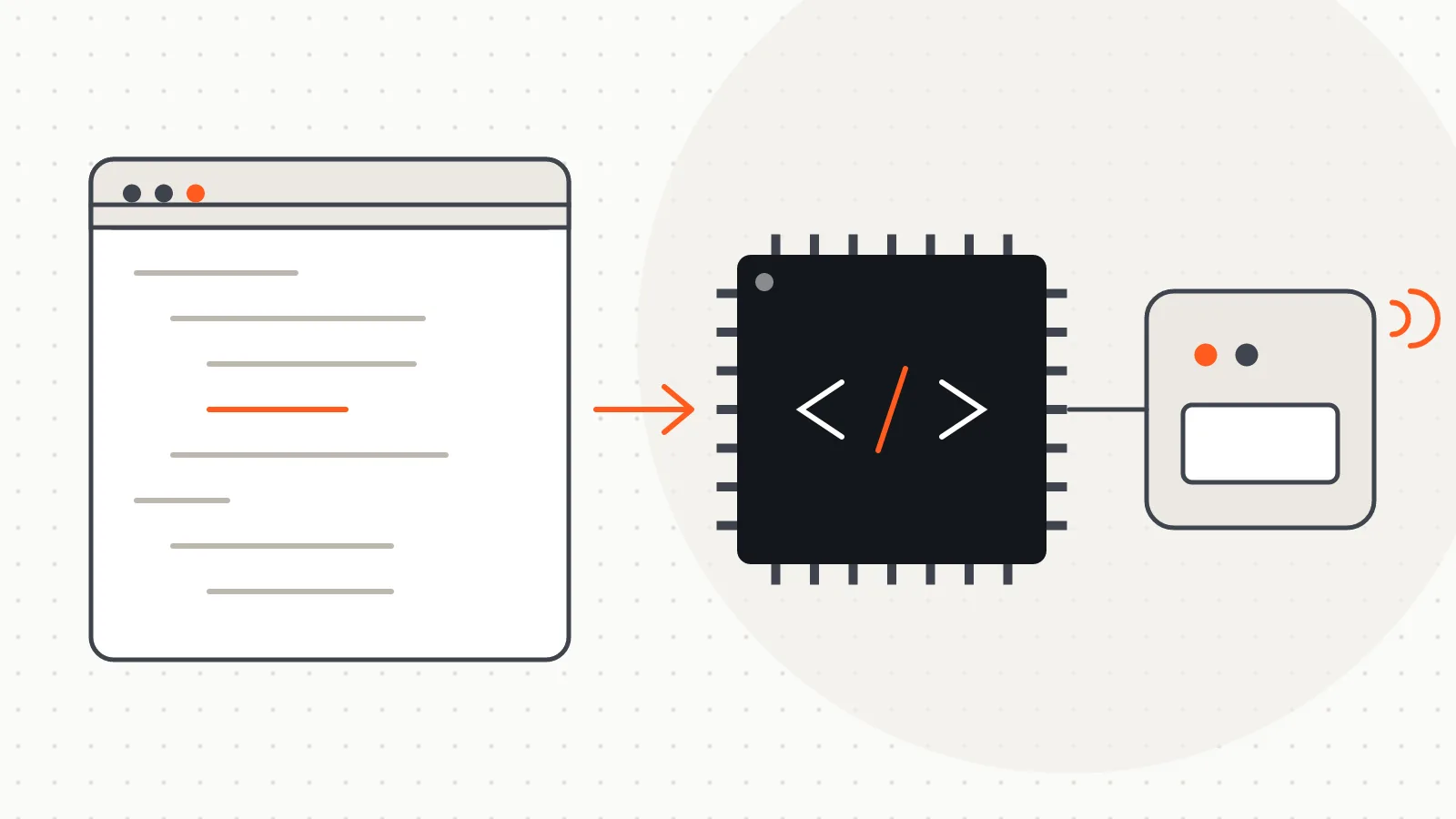
Device firmware running on microcontrollers, with the communication layer: M-Bus, wM-Bus, RS485, cellular, LoRaWAN and Bluetooth.
Hardware
We design, prototype and build electronic boards for other companies' products, in our own workshop or at partner facilities depending on volume.
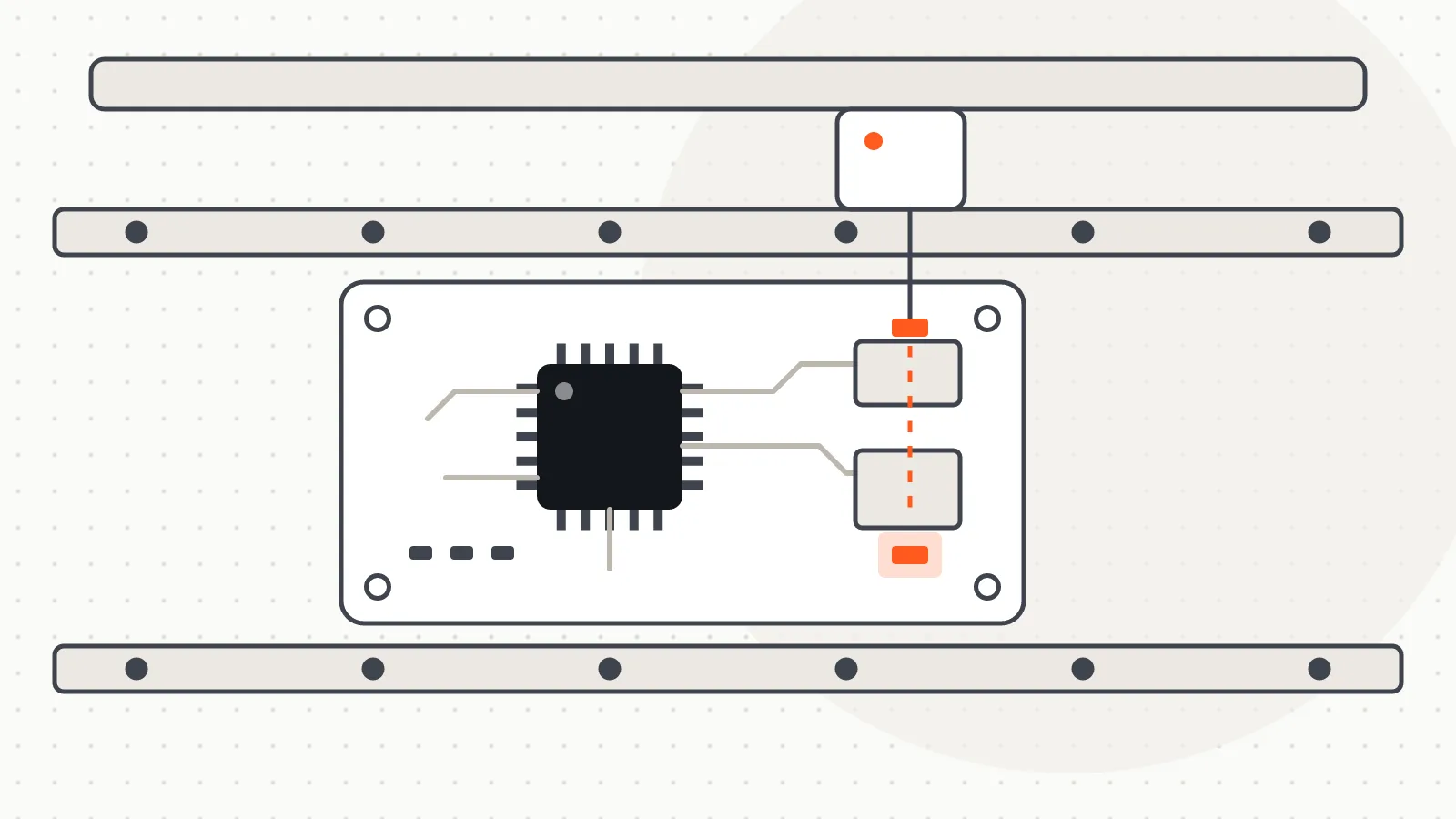
We design and build electronic boards for other companies' products. Every job starts with a definition of need: what the device has to measure, which line it connects to, how it communicates, and in what environment and on what supply it has to run. From that definition we produce the schematic, the board layout, the part list and the firmware that runs on the board. Once the prototype is approved, we move to series production.
Because the team that designs the board also writes the firmware, the boundary between hardware and software never turns into a negotiation. When something goes wrong in the field, the same team looks at both the circuit and the code; you do not have to carry messages between two suppliers to find out which side the fault is on.
Prototypes and low-volume work are assembled in our own workshop at Sivas Cumhuriyet Teknokent. In practice this means the first boards and every revision come back on a short loop; a single trace correction does not have to wait for an external schedule. Higher volumes are assembled at partner manufacturing facilities. Volume, board complexity and the delivery schedule decide which route is taken, and that decision is made together at the specification stage.
For one of the building management platforms we design and produce the PTS IO vehicle access board, the boiler automation device and meter reading devices. In this work the board design, the firmware and the production are ours, while the device reaches the field as part of the customer's own platform.
Our own devices go down the same line. The M-Bus master converters, the RF + GSM collector terminal, the TCP-IP + RS485 input/output control board and the addressable RF fire detection infrastructure were all designed and built in this workshop. The method we apply when we work for other companies is the method we have already tried on our own products.
What we do not do should be as clear as what we do:
If you have a board or a device in mind, send us your specification, or just a few lines describing what you need, through the contact page.
Software
Device firmware running on microcontrollers, with the communication layer: M-Bus, wM-Bus, RS485, cellular, LoRaWAN and Bluetooth.
Hardware
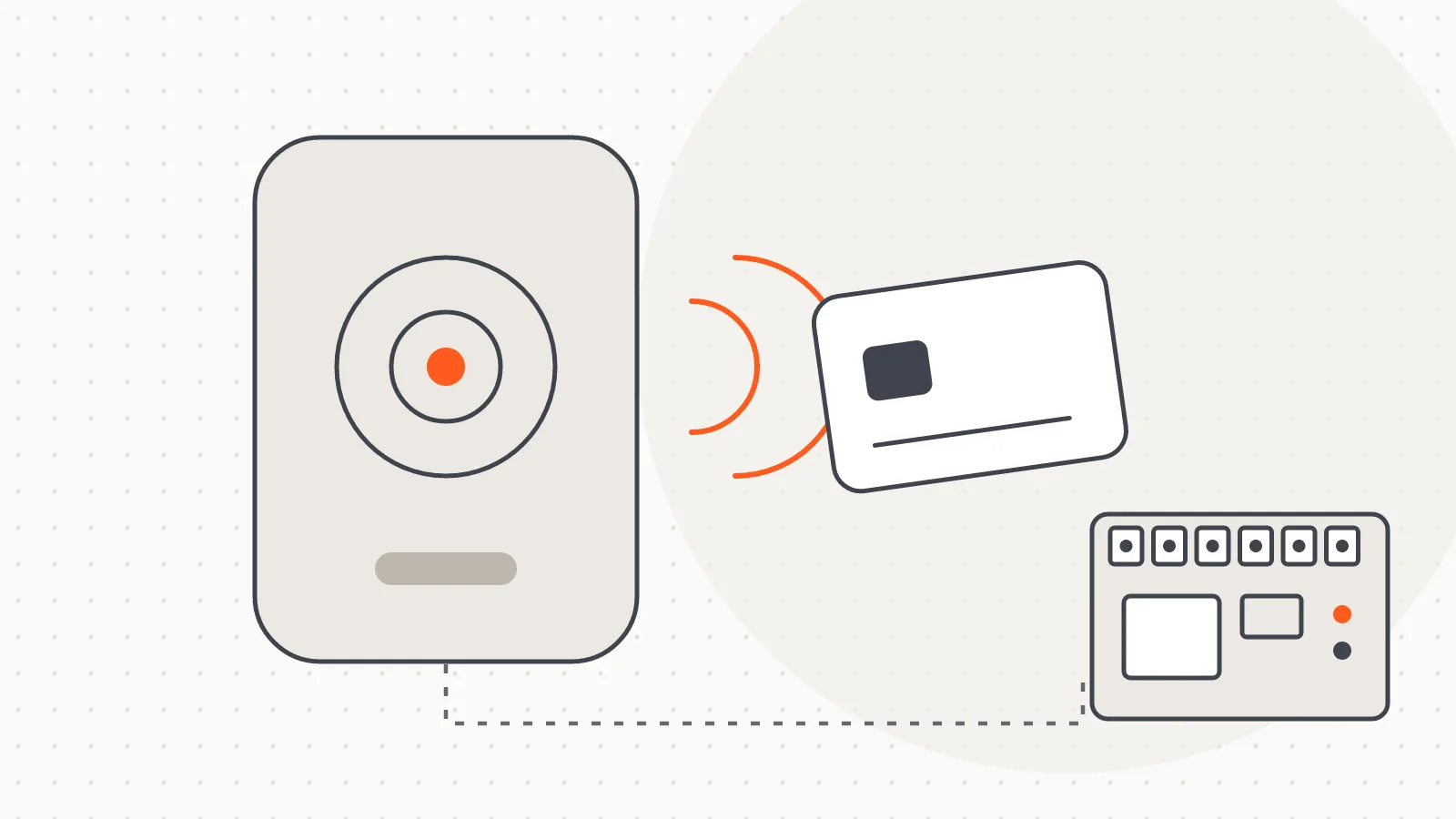
An IO board that reads a vehicle's HGS or UHF RFID tag to control a barrier or gate, with no camera involved.
Hardware
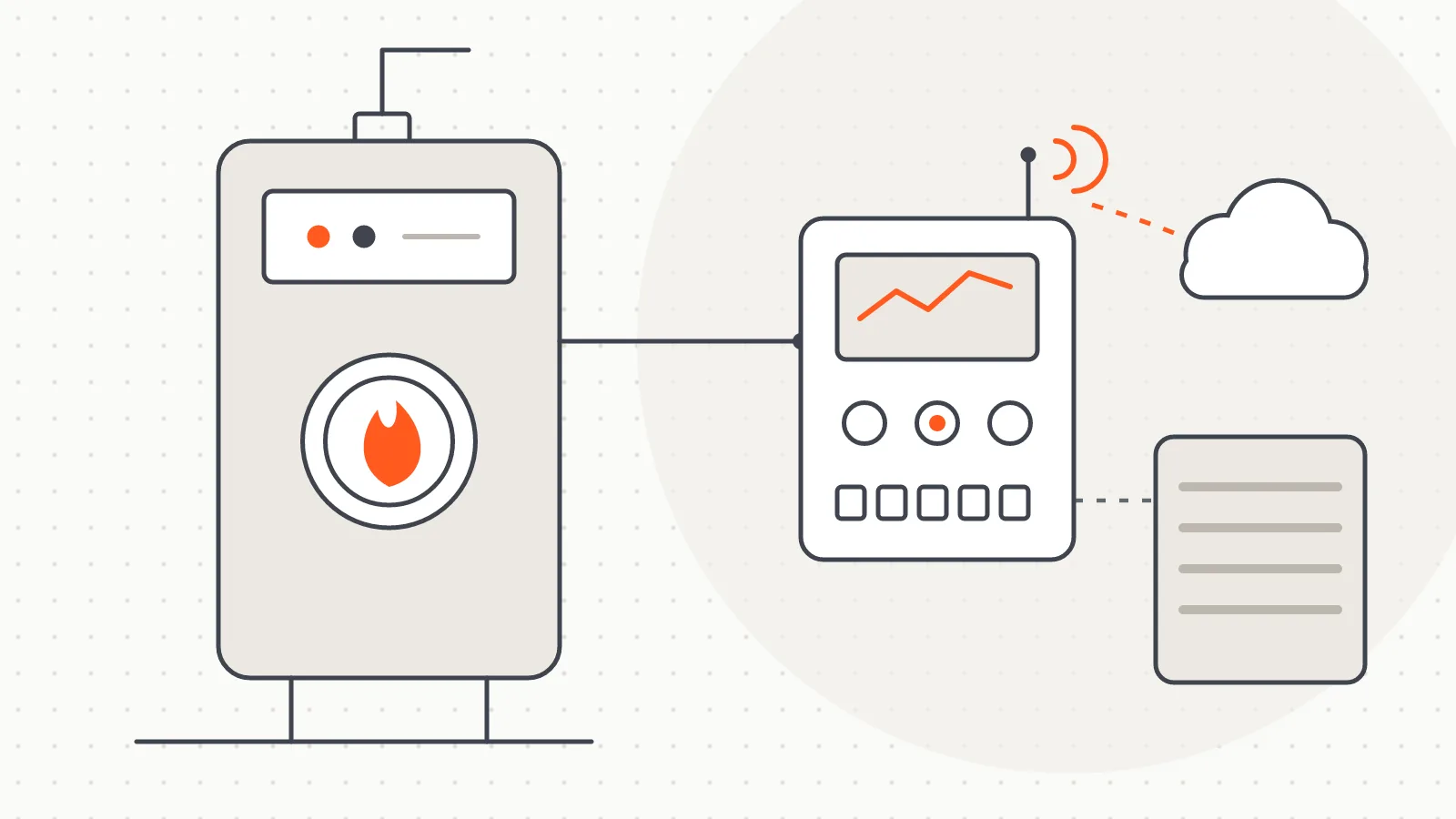
A device that monitors a central heating boiler remotely and controls it by heat demand, active in around 700 buildings.
Do you have a board, device or meter reading project? Tell us briefly what you need and our engineering team will get back to you.