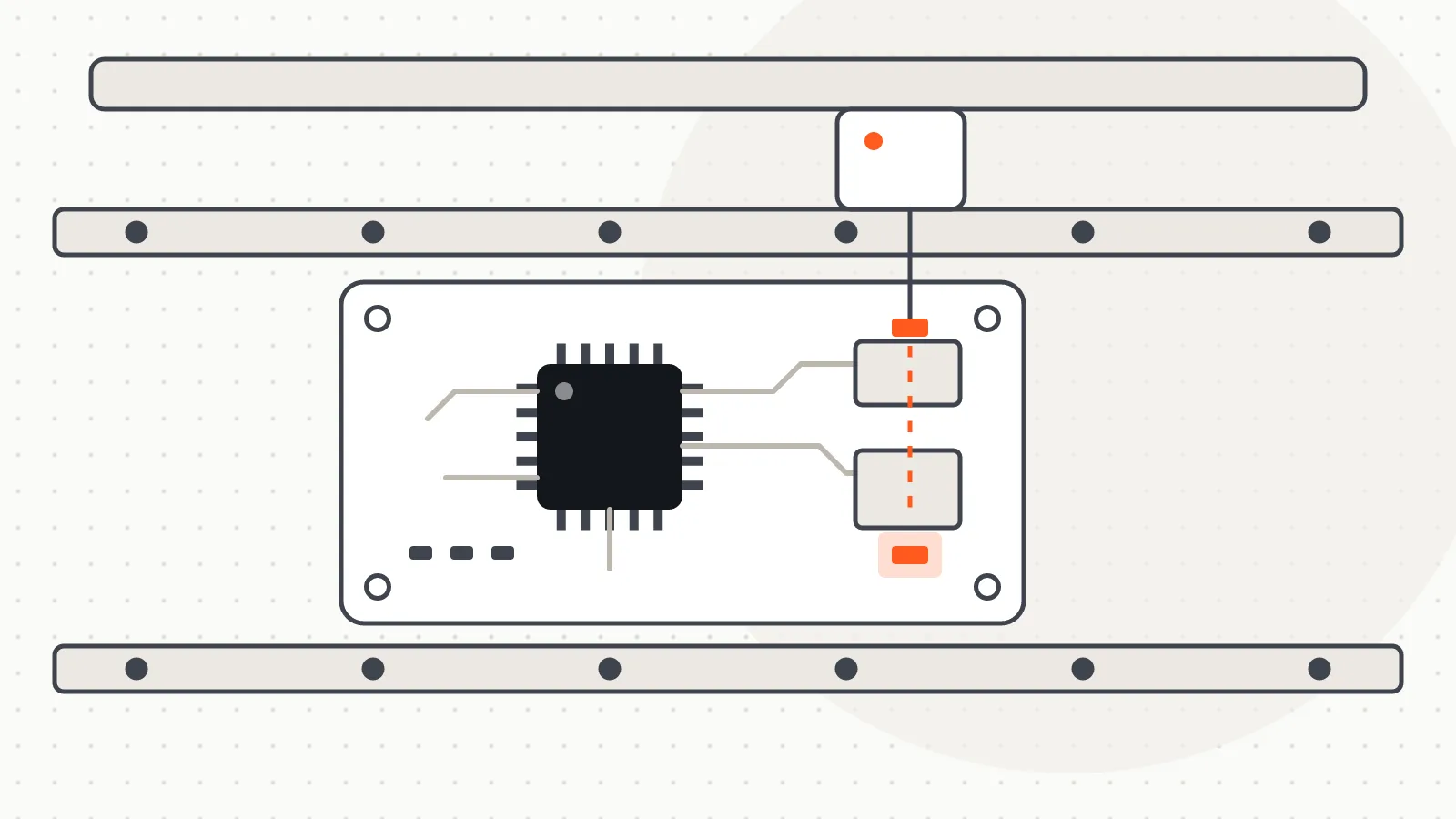
Hardware
Electronic Board Design and Manufacturing
We design, prototype and build electronic boards for other companies' products, in our own workshop or at partner facilities depending on volume.
Software
Device firmware running on microcontrollers, with the communication layer: M-Bus, wM-Bus, RS485, cellular, LoRaWAN and Bluetooth.
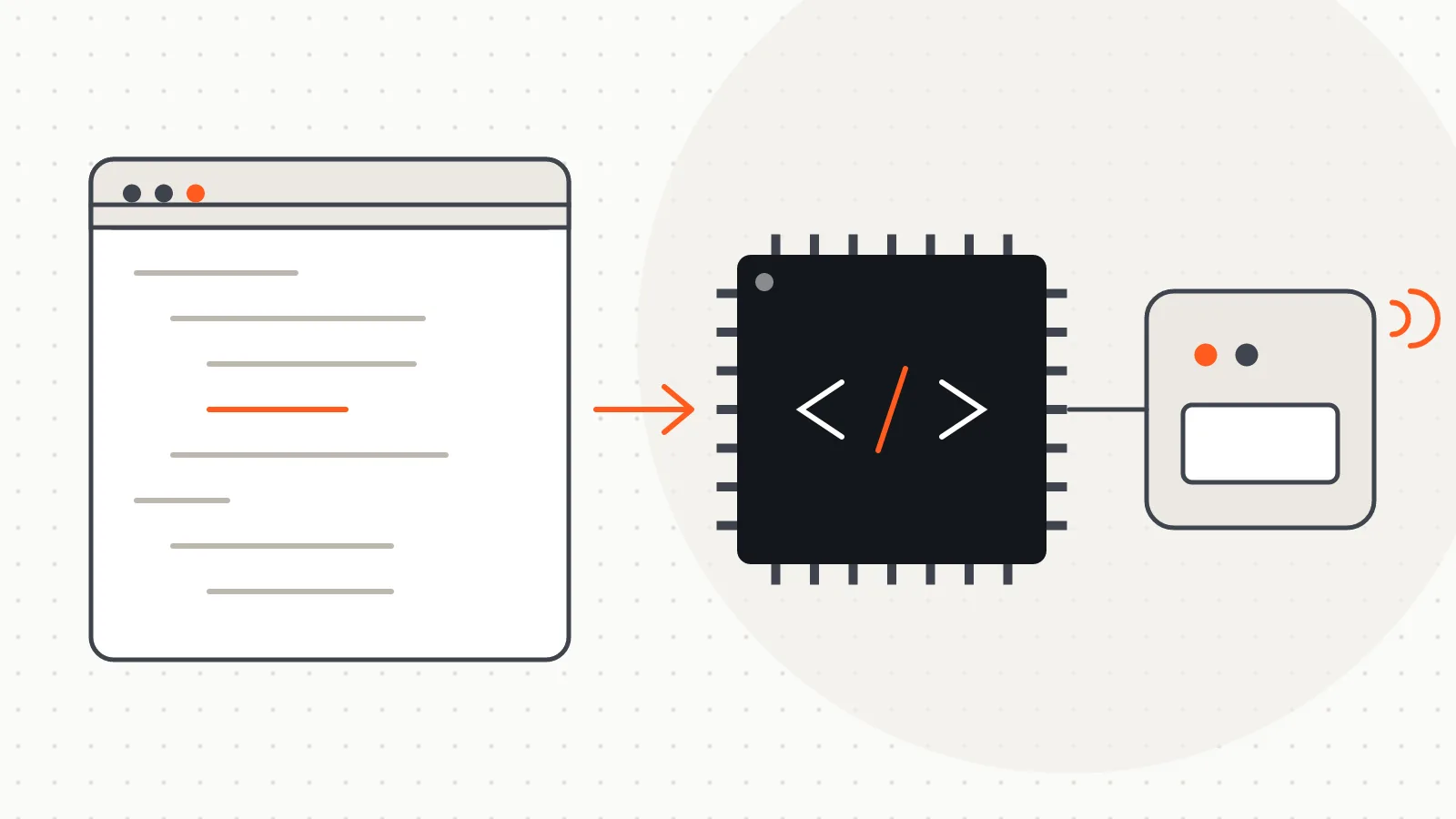
What turns an electronic board into a device is the software running on it. Our embedded software service covers that layer: device start-up, sensor and bus reading, the communication stack, persistent storage of the configuration, behaviour on failure and updating in the field.
Most of the time we write firmware for boards we designed ourselves, but we can also work on a board designed by another team. In that case we start by reading the schematic and the datasheets; pin mapping, power-up order and the behaviour of the line drivers have to be clear before any firmware is written.
A field device exists to move data, so most of the work is communication. The layers we work with regularly:
Which layer is chosen depends on range, power budget, whether cabling is possible and how often the data is needed. That decision comes before the hardware design, because the choice of radio and modem also shapes the power stage of the board.
Device firmware cannot behave like desktop software: there is no user, nobody to restart it, and the line can drop at any moment. So we follow a fixed discipline:
Processors from the ESP32 family are common on the boards we work with: our wireless meter receiver board uses an ESP32-S3 with an SX1262 radio, and our LoRa nodes use an ESP32 with an SX1276 radio. The processor and radio differ per project and are decided together at the specification stage.
Our experience on the metering side comes from our own products: the firmware of the M-Bus master converters (cellular, Wi-Fi, USB and Bluetooth versions), of the RF + GSM collector terminal and of the wireless meter receiver board was written by this team.
Hardware
We design, prototype and build electronic boards for other companies' products, in our own workshop or at partner facilities depending on volume.
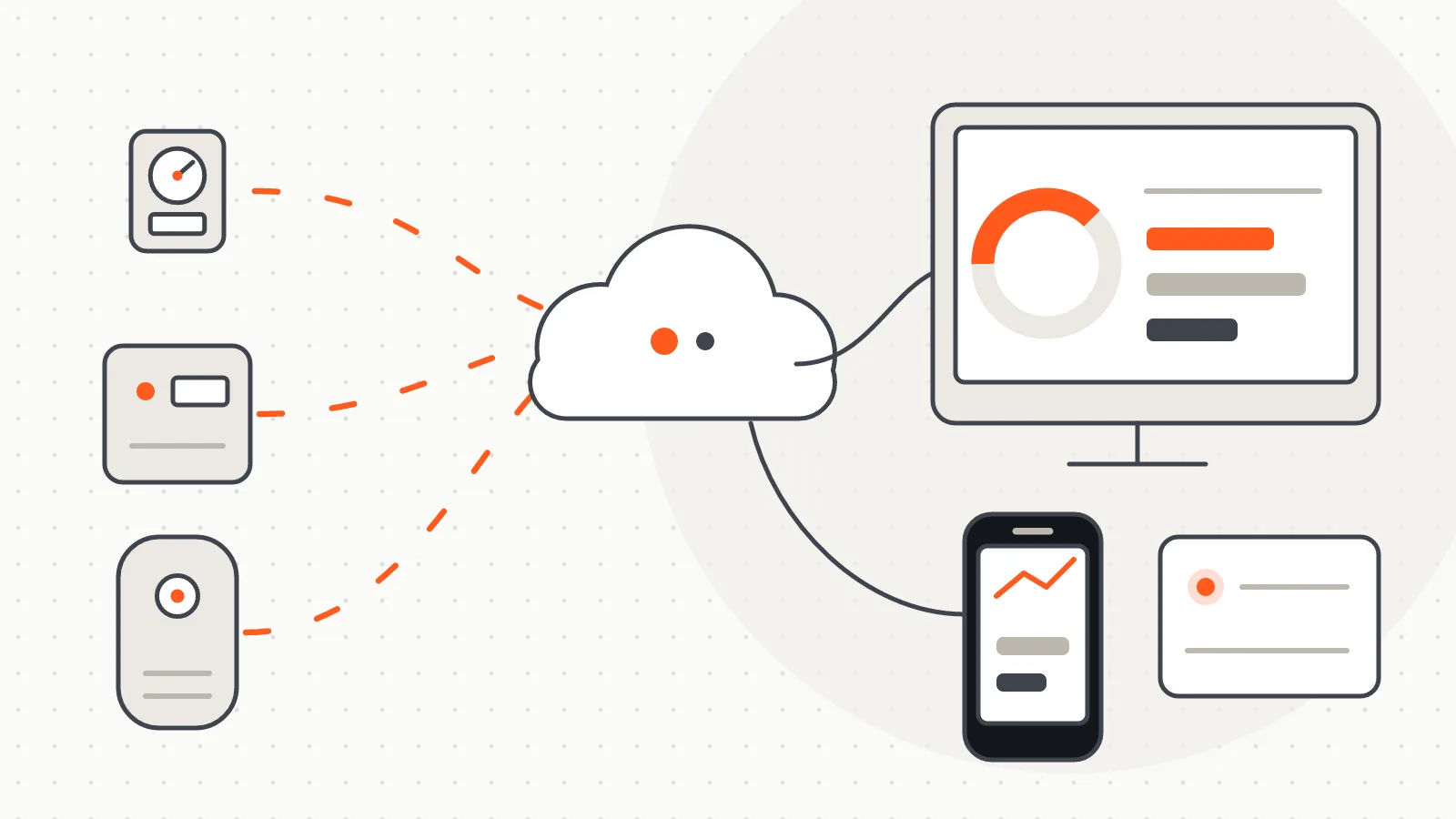
iot
We design and build end-to-end monitoring setups from a single source: field device, communication network and monitoring panel.
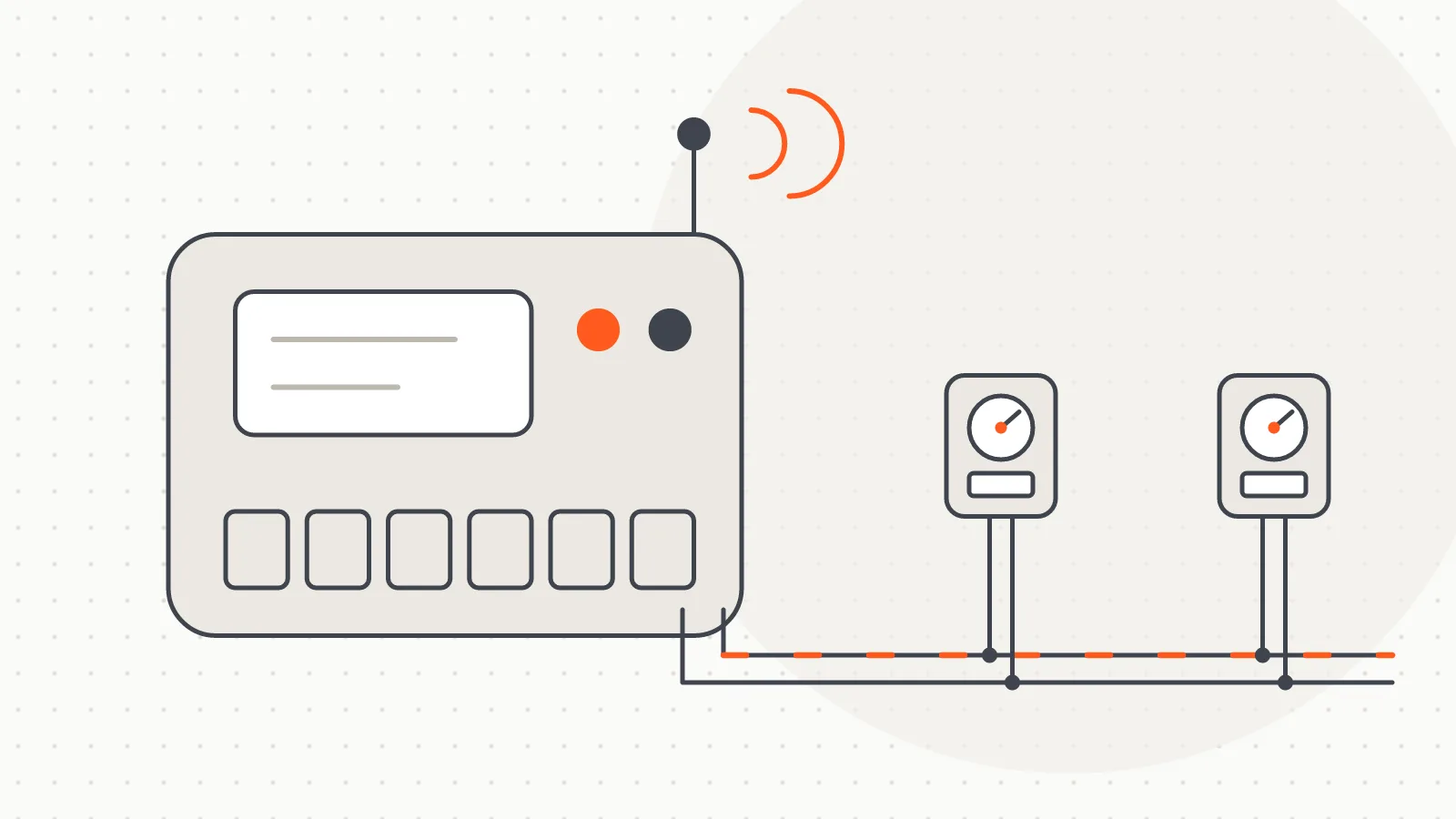
Hardware
M-Bus Master devices we build in Türkiye to read meters on a wired M-Bus line over GSM, Wi-Fi, USB or Bluetooth.
Do you have a board, device or meter reading project? Tell us briefly what you need and our engineering team will get back to you.