akilli sehir
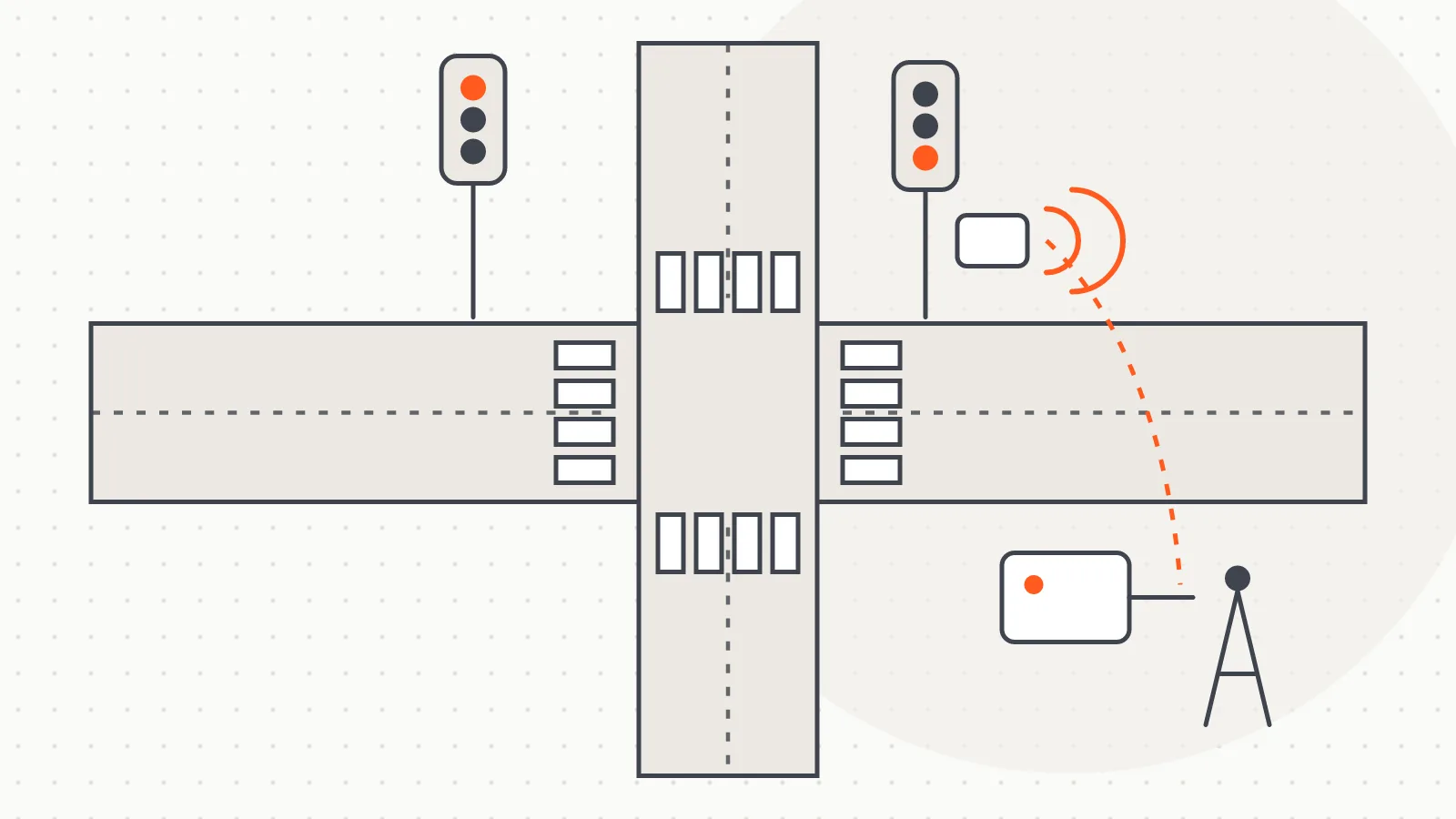
Smart Intersection — Adaptive Traffic Signals over LoRa
An adaptive junction system that sets signal timings by vehicle count, speed and queue length, carrying its data over LoRa.
iot
Our LoRaWAN network in Istanbul carries meter reading, boiler automation, pool monitoring and RFID vehicle identification on one platform.

Our LoRaWAN infrastructure is a long-range, low-power wireless data network that is installed and running in Istanbul. Four different jobs run over it at the same time: meter reading, boiler automation, pool water monitoring and tag-based vehicle identification.
Instead of building a separate communication line for each application, the field devices share one network. Measurements and events arrive at a single central point, so different systems can be watched from one place. Where cabling is difficult and buildings or equipment sit far apart, this approach keeps the installation simple.
End devices in the field (sensors, meter interfaces, control boards) send their readings over radio as short data packets. A gateway receives these packets and forwards them over an internet connection to the network server. The network server checks the device identity, drops duplicate copies of a packet that reached more than one gateway, and hands the data to the application side. There the packet is decoded, turned into meaningful values and passed to the relevant screen or record.
End devices spend most of their time asleep and wake up only when they have something to send. This lets battery-powered devices keep working in the field for long periods without maintenance. When a command has to be sent remotely, LoRaWAN's ability to deliver messages from the network down to a device can also be used.
LoRaWAN is an open network protocol built on LoRa radio modulation. It works at low data rates, and in return it offers long range and good penetration into buildings. The network uses a star topology: end devices talk directly to gateways, with no relay chain between them.
The main building blocks of the infrastructure are:
Communication takes place in the licence-exempt ISM band. The LoRaWAN standard specifies encryption with separate session keys at the network layer and the application layer, so the payload can be read only by the authorised application. Secure joining of devices to the network and adapting the data rate to radio conditions are also part of the protocol.
The Istanbul infrastructure is used for these four jobs:
Values taken from meters travel over the network to the central system. Nobody needs to enter a flat or a plant room to read them; the data is collected automatically at regular intervals.
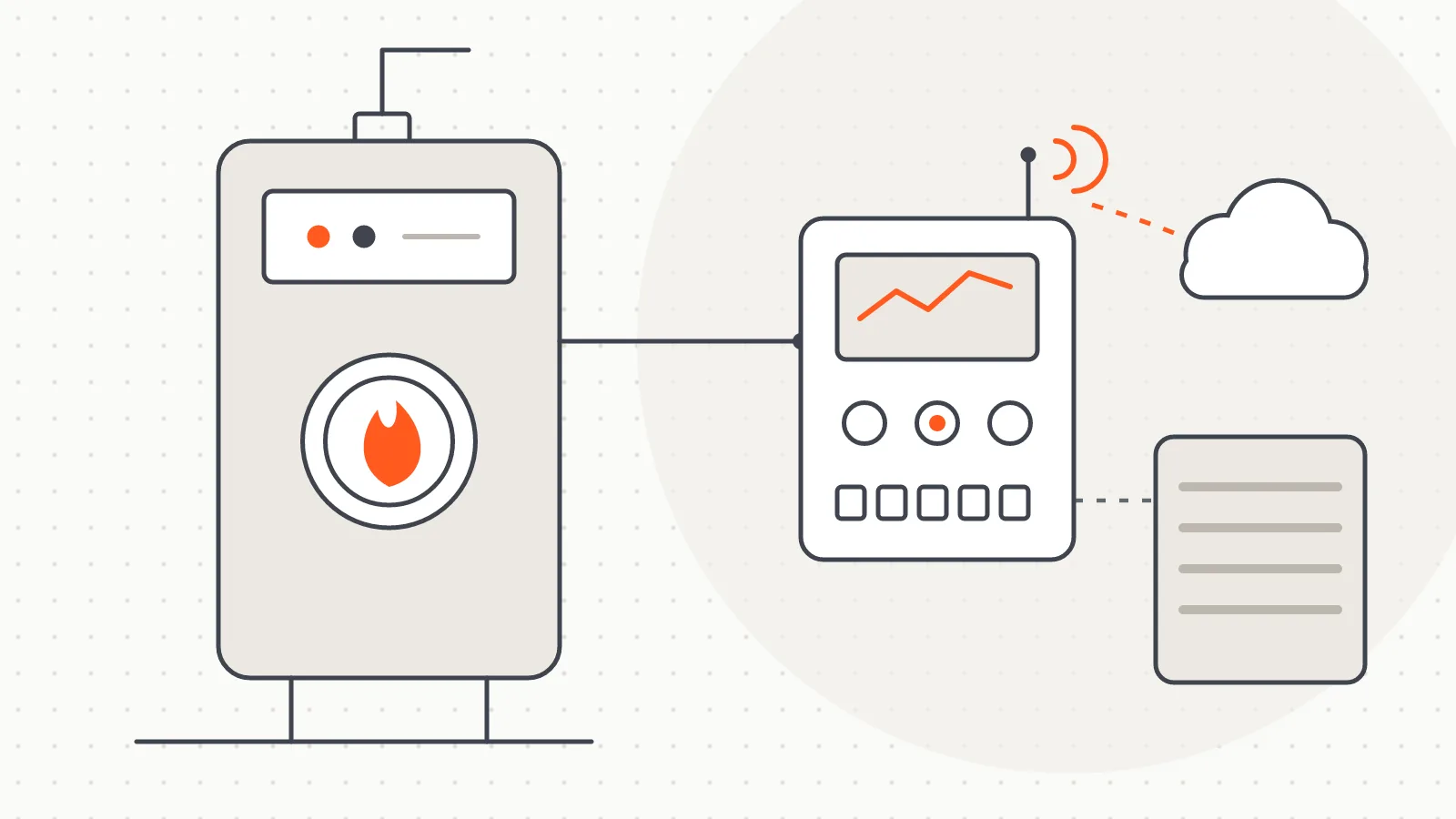
The link works both ways: operating data from boilers is monitored over the same network, and commands can be sent to the boilers remotely when needed. We describe the device and software side of the boiler system separately on the boiler automation page.
Pool water values such as temperature, contamination level and chlorine arrive regularly from sensors on site. The maintenance team follows them centrally instead of travelling to measure on the spot, and steps in when a value drifts.
Vehicle identification relies on reading an RFID tag fitted to the vehicle; no camera is involved. Tag-read events are monitored centrally as part of the infrastructure.
The same network design can be extended to other applications with different sensor and control boards; adding a new application does not require a separate communication line.
akilli sehir
An adaptive junction system that sets signal timings by vehicle count, speed and queue length, carrying its data over LoRa.
akilli sehir
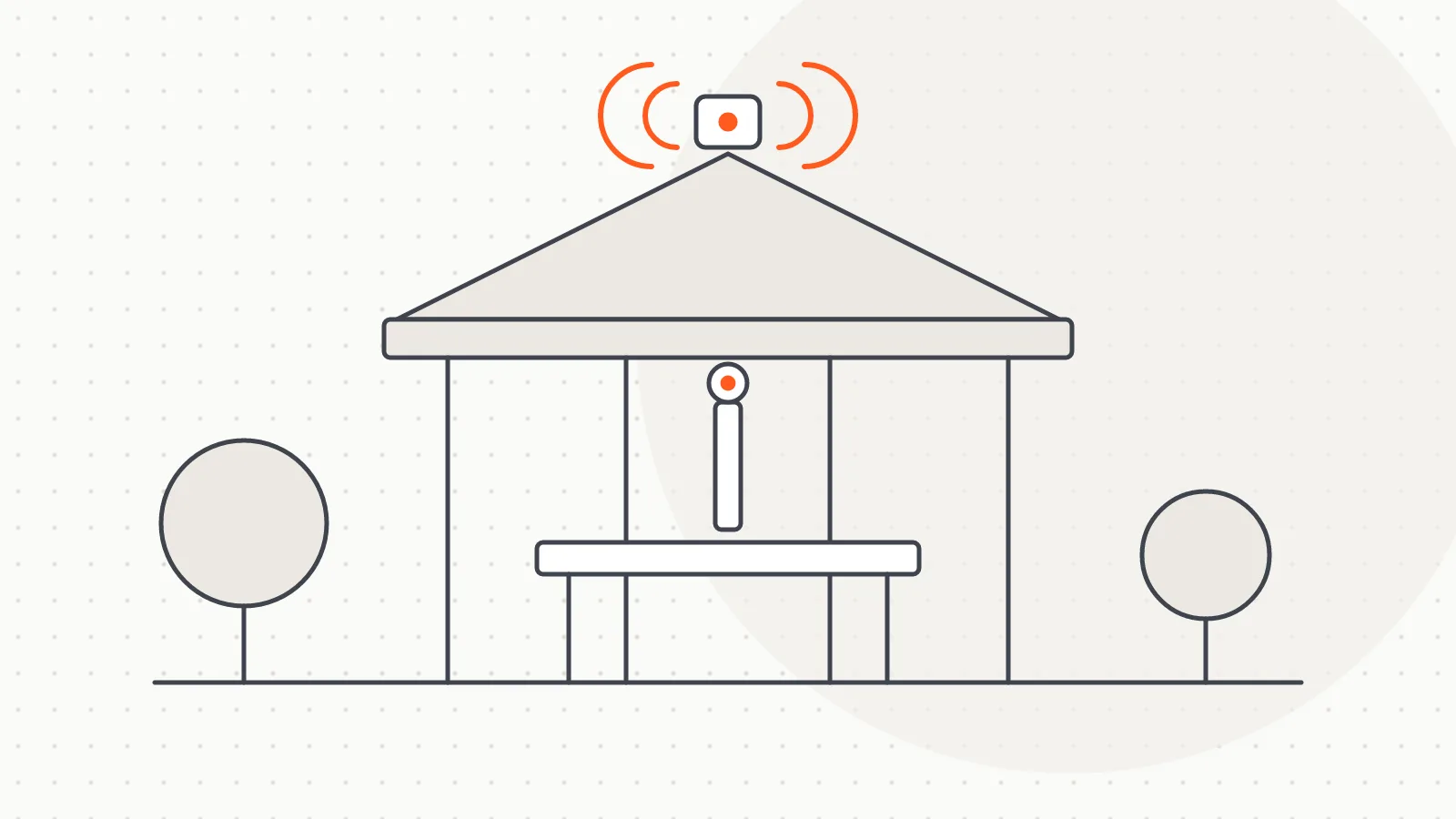
A system for booking picnic-area gazebos, with QR check-in and an LED occupancy light on each gazebo, linked over LoRaWAN.
Hardware
A device that monitors a central heating boiler remotely and controls it by heat demand, active in around 700 buildings.
Do you have a board, device or meter reading project? Tell us briefly what you need and our engineering team will get back to you.