
iot
LoRaWAN Infrastructure — Istanbul
Our LoRaWAN network in Istanbul carries meter reading, boiler automation, pool monitoring and RFID vehicle identification on one platform.
akilli sehir
A system for booking picnic-area gazebos, with QR check-in and an LED occupancy light on each gazebo, linked over LoRaWAN.
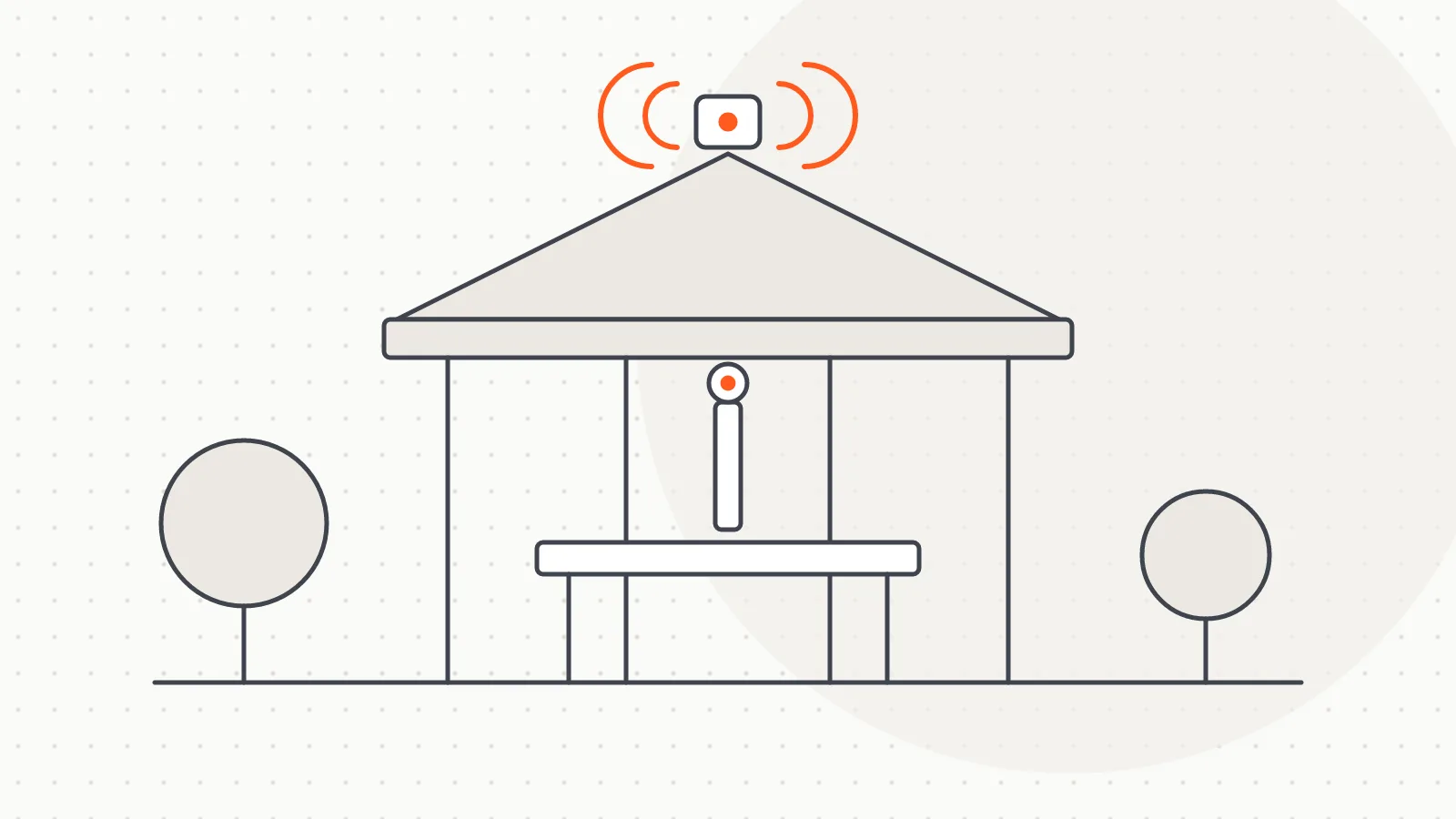
Smart Gazebo lets visitors book picnic-area gazebos in advance and shows, on screen and on site, whether each one is taken. Visitors pick an empty gazebo before they arrive, choose a time slot and confirm. On site, an LED light on every gazebo shows at a glance whether it is available or booked.
The problem is simple: on busy days visitors walk the whole area looking for an empty gazebo, while the operator can only tell which ones are in use by going to look. Smart Gazebo gathers this in one central system and shows it to both sides at once.
The visitor journey takes a few steps:
The QR code is used at two separate points and does two different jobs: at the entrance it verifies the booking, and at the gazebo it confirms that this gazebo belongs to this visitor.
The key design principle is that the central application is the single source of truth for bookings; the LED is only a display layer. If a gazebo temporarily loses its radio link, the booking stays valid, and site staff can keep verifying rentals by scanning the QR code with the mobile interface. Once the link is back, the LED automatically syncs with the current state held centrally.
The system has three layers:
LoRaWAN was chosen for its range. Picnic areas are large and spread out, so a separate internet connection to every gazebo is not practical; with LoRaWAN, many gazebos reach the central system through a few gateways. The data involved is tiny: a gazebo reports only its status, and the centre tells it only what the LED should show.
The gazebo units operate as LoRaWAN Class C devices. For an LED to turn red the moment a gazebo is booked, the device has to listen continuously for commands from the centre. Continuous listening is not a low-power mode, so the design relies on mains power being available at the gazebos. This removes the need for solar panels or battery packs, and with them the routine work of replacing batteries.
How many gateways an area needs is not decided on paper. Tree cover, terrain and mounting height all affect range directly, so coverage is planned from on-site measurements before installation. The frequency band used (EU868) falls under the Turkish telecom regulator's (BTK) rules for short-range radio devices.
The system is designed for picnic areas, recreation grounds and similar outdoor sites where many gazebos are spread over a wide area. Not every gazebo has to be bookable: hardware is fitted only to the gazebos opened for reservation, and the rest can stay in open use as they are today.
The project is a system design prepared for public-sector use. A pilot installation in a limited area is planned first, to verify the LED unit's outdoor durability, gateway coverage and the full booking flow end to end. The same LoRaWAN network can also serve as a shared communication backbone for other sensors that may be added to the site later.
iot
Our LoRaWAN network in Istanbul carries meter reading, boiler automation, pool monitoring and RFID vehicle identification on one platform.
akilli sehir
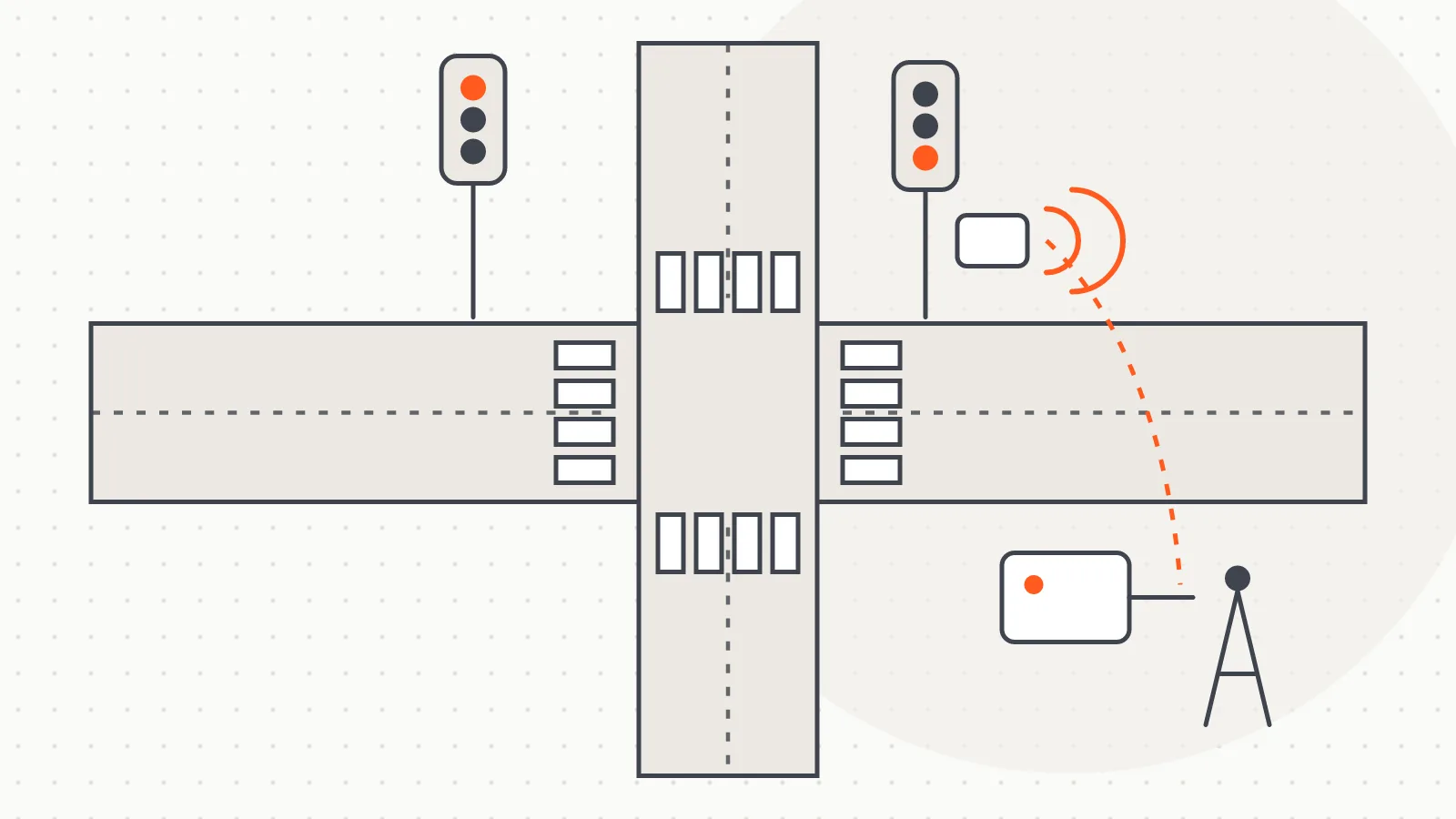
An adaptive junction system that sets signal timings by vehicle count, speed and queue length, carrying its data over LoRa.
Do you have a board, device or meter reading project? Tell us briefly what you need and our engineering team will get back to you.